Creative Empowerment
Creating spaces for dialogue, healing, and collective creativity that bridge divides and foster understanding across diverse communities.
Memory · Displacement · Presence · Restoration
A living art practice exploring memory, forced displacement, Khoikhoi and Camissa identity, intergenerational trauma, ecological connection and human dignity—moving between South Africa and the Netherlands.
This archive has faces. It does not travel in a straight line. It moves through circles, squares, triangles and horseshoes; from Cape to Cairo, Simon’s Town to Kuruman, Ruigoord to Haarlo, and Rapenburg back toward Africa. Enter slowly. Every object carries a voice.
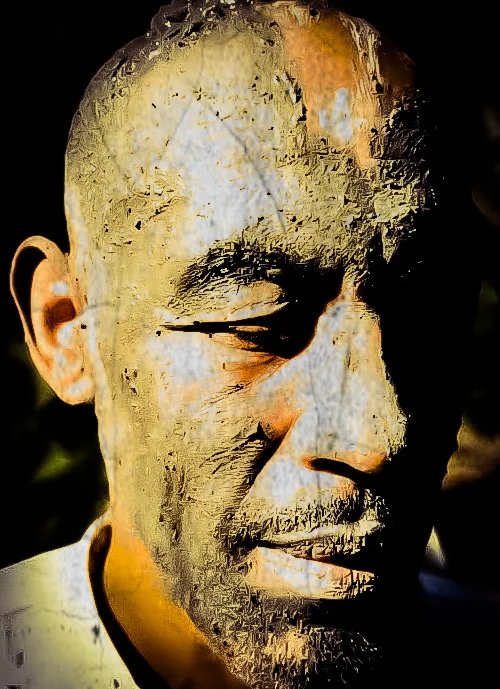
Founded by Neville Keith Matroos, House4Love is a community arts initiative dedicated to social cohesion, cultural preservation, and creative empowerment through collaborative artistic practices.
Creating spaces for dialogue, healing, and collective creativity that bridge divides and foster understanding across diverse communities.
Documenting and celebrating Khoikhoi and Camissa heritage, ensuring that ancestral knowledge and cultural practices are passed down to future generations.
Transforming discarded materials into works of beauty and meaning, highlighting environmental responsibility and resourcefulness.
Using art as a catalyst for recovery, reconciliation, and the restoration of human dignity in the face of historical trauma.
Fostering connections between generations through shared creative experiences and storytelling.
Cultivating green spaces that serve as sanctuaries for reflection, growth, and ecological stewardship.
Building bridges between South Africa and the Netherlands through collaborative projects and residencies.
Providing platforms for artists to explore new contexts and engage with local communities.
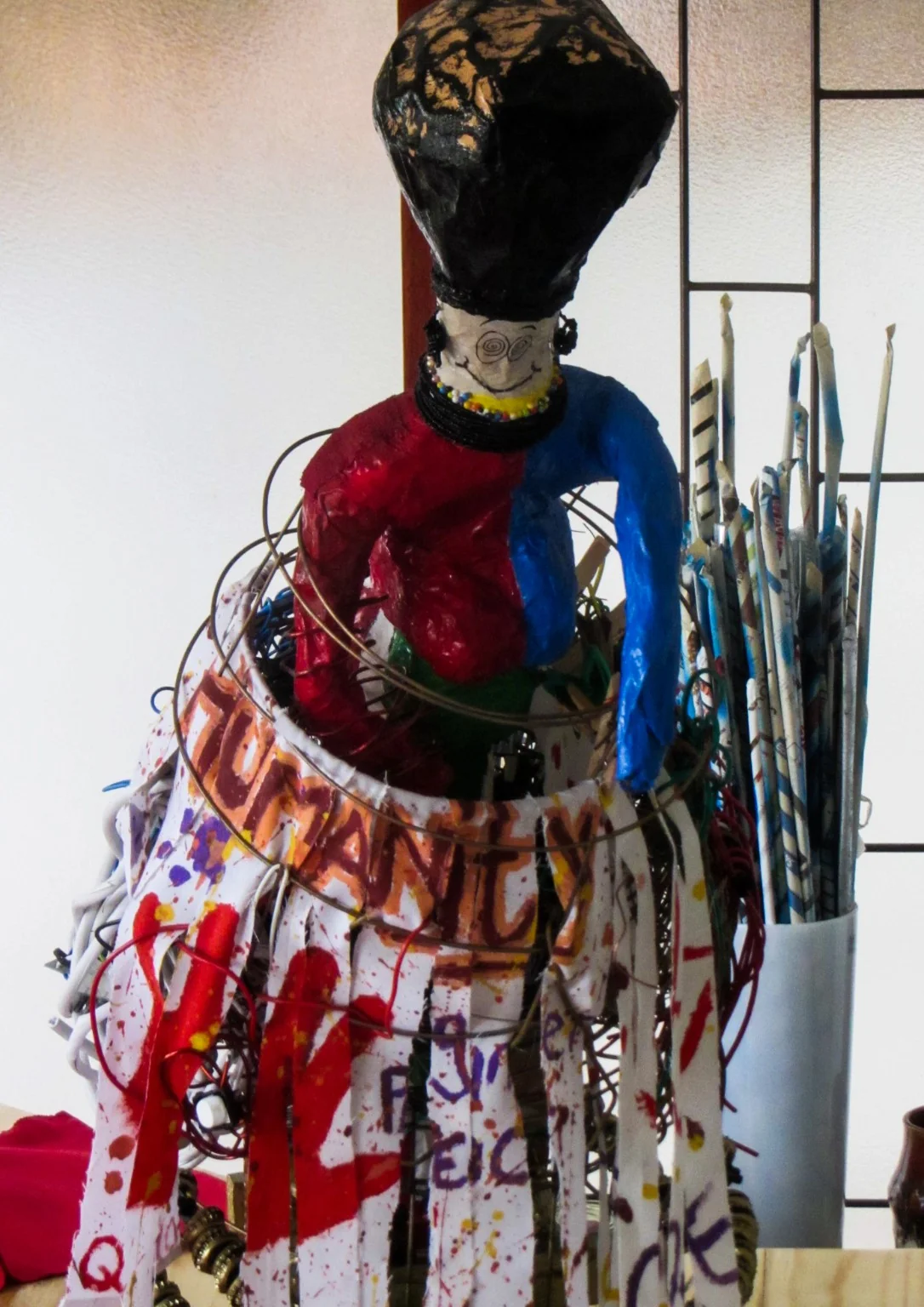
Neville Keith Matroos, also known as Skwiza, is a South African-born Dutch artist, researcher, and founder of House4Love. His interdisciplinary practice includes mixed-media sculpture, photography, installation, performance, poetry, storytelling, recycled materials, spirituality and community work.
His work explores the intersections of memory, displacement, and identity, drawing deeply from his Khoikhoi and Camissa heritage. Working between South Africa and the Netherlands, Matroos creates art that serves as both personal testimony and communal archive.
Through his practice, he investigates intergenerational trauma, ecological connection, and the restoration of human dignity, offering a visual language for experiences often marginalized in mainstream historical narratives.
A selection of artworks and archival materials that form the core of Matroos' ongoing investigation into memory and belonging.
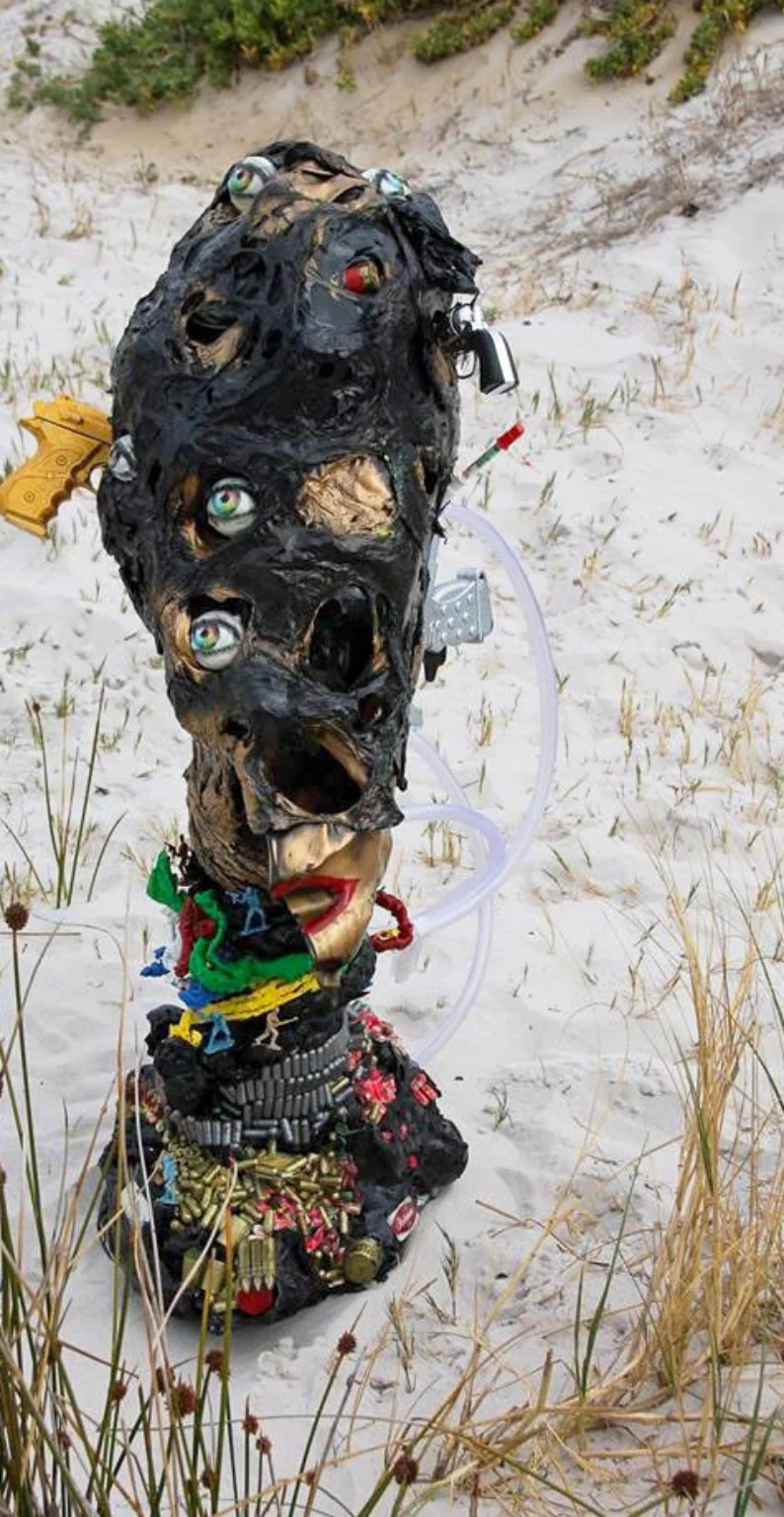
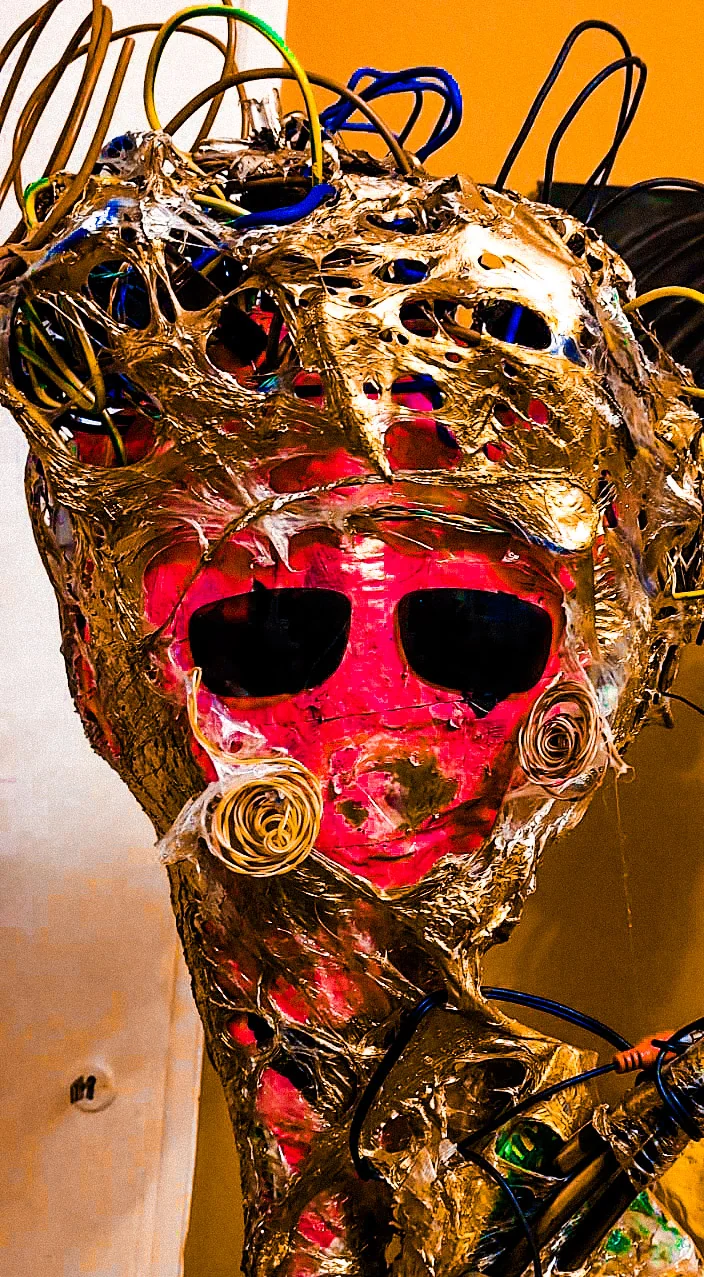
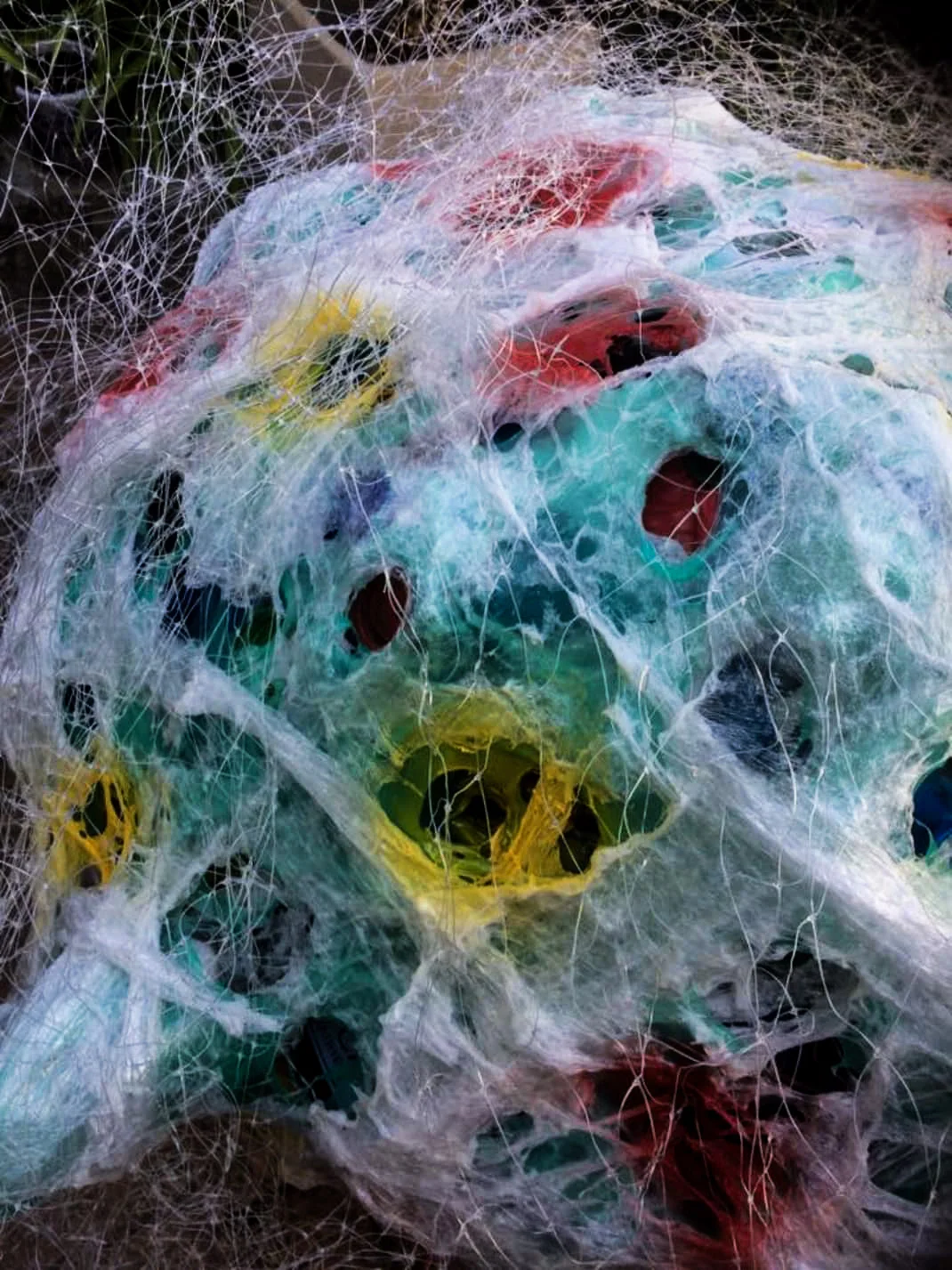
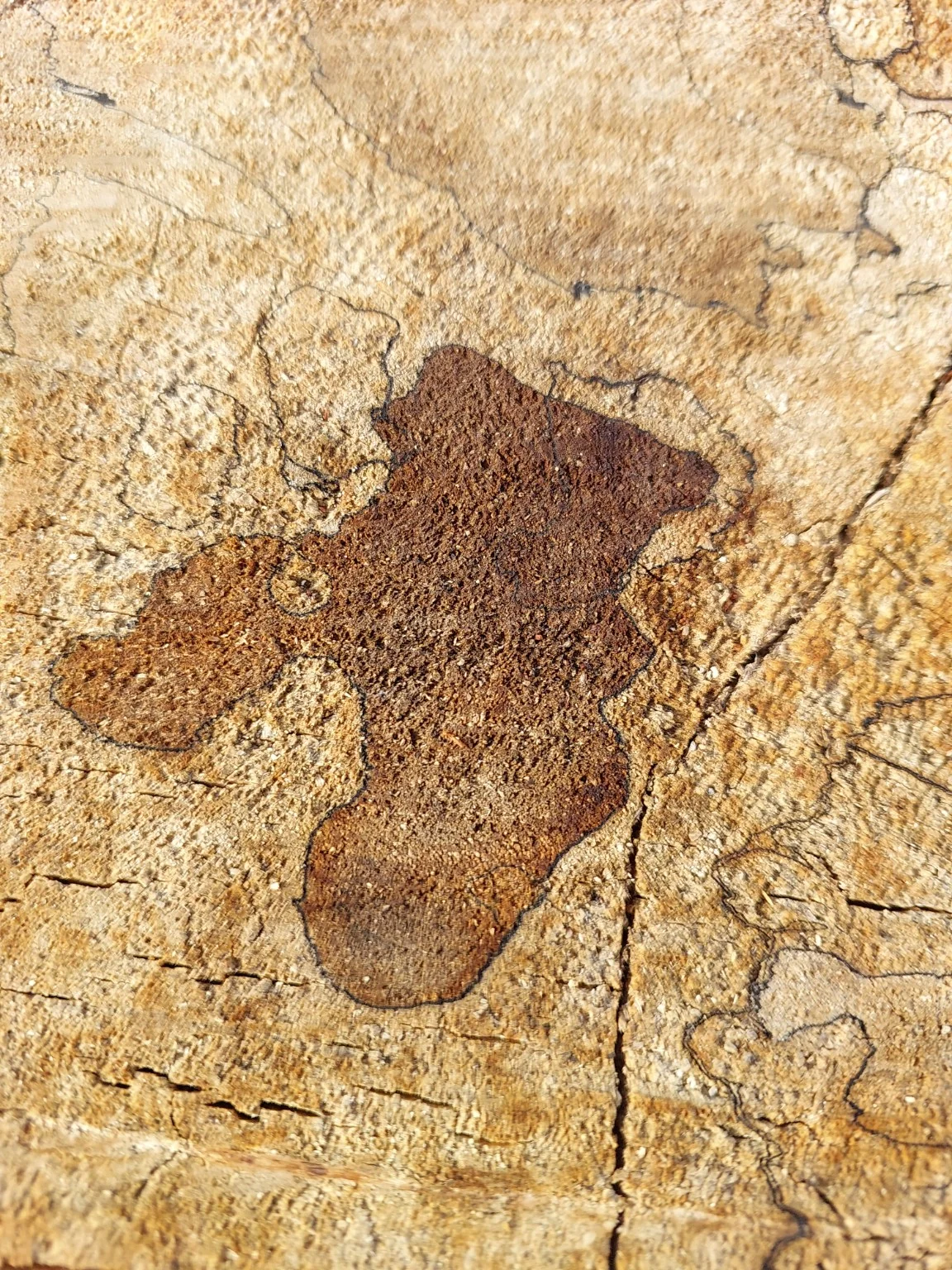
Ongoing and completed projects that extend the work of the archives into the public sphere.
The Living Archive Continues: A platform for sustaining the conversations started through the artwork, focusing on long-term community impact and educational outreach.
Research & Writing: A body of critical texts and reflections accompanying the visual work, providing context for the artistic practice within broader discourses on decolonization and memory.
Kaaps—also called Afrikaaps—is not merely “slang.” It is a living language shaped through centuries of encounters among Indigenous African people, enslaved and displaced communities, Asian communities, sailors, traders and speakers of Dutch, Portuguese and English.
The Trilingual Dictionary of Kaaps documents Kaaps alongside English and standard Afrikaans. The project contributes to linguistic recognition, education and the restoration of a language that has long been marginalised.
The following external resources are shared for education and further exploration. House4Love does not claim ownership of their content.
Official Project — Documents Kaaps alongside English and standard Afrikaans.
Visit dwkaaps.co.za →Camissa Museum — A descriptive corpus initiative involving Kaaps, English and Afrikaans.
Visit Camissa Museum →University of Cape Town — Explains its historical and democratic importance.
Read UCT News →Bua-Lit — A recognition of language heritage.
Read Bua-Lit →Shofar Books — Available for purchase.
Buy at Shofar Books →A curated history of solo and group exhibitions where the Living Archives have been presented to the public, spanning galleries, museums, and public spaces across South Africa and the Netherlands.
Key objects and artworks drawn from the archives, each carrying specific histories of displacement, memory, and restoration.
The archive is rooted in specific places: Simon’s Town, Kuruman, Cape Town, Ruigoord, Haarlo, Rapenburg. Each location holds layers of memory, conflict, and transformation.
These journeys are not just physical movements but emotional and spiritual migrations, mapping the contours of displacement and the search for home.
A Visual Journey Through Geography, Labour, Beauty and Contradiction
This gallery explores the whole geography of life in Atlantis — not only suffering, but also beauty, community, labour, leisure, and unequal access to richness. The mountain is here. The ocean is here. The vineyards are here. The parks are here. The question is: WHO HAS ACCESS TO IT?
THE LAND WAS NEVER POOR.
The mountain is here. The ocean is here. The animals are here. The vineyards are here. The parks are here. The beauty is here.
The question is: WHO GETS TO EXPERIENCE THE RICHNESS OF THE LAND — AND WHO IS EXPECTED MAINLY TO SERVICE THAT EXPERIENCE?
Thailand · Indonesia · India · Europe · New York / New Amsterdam · Africa
“I crossed borders looking at the world. Somewhere along the way, I realised I was also looking for myself.”
This is not a tourism résumé. It is the story of travelling, encountering the world and searching for identity and possible ancestral/transatlantic roots. Do not claim an ancestral connection unless documentary evidence establishes it.
I MISS YOU
Explore absence through missing photographs, missing documents, missing people, missing children, missing ancestors, missing names, migration, displacement, estrangement, death, lost relationships, lost homes, lost employment, lost opportunities, lost memories, and the versions of ourselves we sometimes miss.
“Not being found in the archive does not mean you did not exist.”
“Absence does not mean that someone was never there.”
THE MISSING NEW YORK PHOTOGRAPHS
“These photographs once existed. They never returned to the archive. This empty space is intentional.”
New York. Central Park. New Amsterdam. The internet café. The rush to the airport. The flight. The photographs left behind.
Words · Names · Labels · Silence · Power · Reclamation
Words can conceal power or reveal it. A person who was forcibly removed did not simply “move.” A suppressed language was not simply “forgotten.” A person missing from an archive did not necessarily never exist. Institutional terminology must never be allowed to become the whole identity of a human being.
LOST · MISSING · TAKEN · REMOVED · LEFT · FORGOTTEN
FOUND · REMEMBERED · RESTORED · BECOMING
REFUSE · REJECT · REACT · RESPOND · RESIST · REMOVE · RELOCATE · RECLASSIFY · RENAME · RESTRICT · RECAPITULATE · RECONSIDER · RECONNECT · RECOVER · RECLAIM · RETURN · REBUILD · RESTORE · REIMAGINE · TERMINATE
I AM MORE THAN THE WORD YOU GAVE ME.
YOU MAY DESCRIBE MY CIRCUMSTANCES.
YOU MAY NOT REDUCE ME TO THEM.
I REMAIN.
A single note is not the symphony.
A single wound is not the person.
A single word is not the being.
“I returned to myself,
but not at the same octave.”
Explore RE artistically alongside words such as: remember, return, recover, restore, reconnect, respond. This is an artistic/philosophical connection — not an etymological claim.
Written reflections, daily meditations, and poetic fragments that accompany the visual work, offering intimate access to the artist's inner world and creative process.
Short reflective pieces written each morning, exploring themes of presence, gratitude, and the sacredness of ordinary moments.
Experimental poetry and prose poems that blur the boundaries between language and image, inviting readers to experience meaning beyond words.
Behind-the-scenes insights into the making of artworks, including sketches, material experiments, and decisions about composition and colour.
The archive confronts the legacy of colonial violence, slavery, and forced removals. Through art, Matroos transforms inherited pain into a language of resilience and reclamation.
This section explores how creative practice can serve as a tool for processing trauma, restoring dignity, and building bridges between past and present.
Artworks and installations that explore humanity's relationship with the natural world, emphasizing stewardship, reciprocity, and the wisdom of indigenous ecological knowledge.
At the heart of the Living Archives lies a commitment to restoring human dignity. Through art, we honour the stories of those who have been silenced, erased, or marginalized.
Art gives voice to the voiceless. It reminds us that every person carries a universe of experience worthy of recognition and respect.
In the face of historical trauma, creativity becomes an act of resistance and healing. This archive is a testament to the power of art to restore what systems of oppression have tried to destroy.
Ten chapters of memory, displacement, and restoration. Each chapter opens to reveal the stories, objects, and testimonies held within.
Before the archives, before the exhibitions—there is a person. This chapter traces the origins of Neville Keith Matroos, the individual whose life experiences became the seed for this living practice.
Family is the first archive. Through genealogical research, oral histories, and inherited objects, this chapter maps the Matroos, Jonkers, and Riffel lineages across centuries and continents.
The scars of forced removals run deep through the landscape of the Western Cape. This chapter documents the communities torn apart by apartheid-era policies and the enduring fight for return and recognition.
Camissa—the place of the calm river—is where the Liesbeek meets the Sea. For the Khoikhoi people, this was always a sacred confluence. This chapter re-centres indigenous knowledge, presence, and belonging.
Scars are not just wounds—they are records of survival. This chapter examines the artworks and installations that transform pain into beauty, using the metaphor of a symphony where each scar contributes its own note to the whole.
Art is not decoration here—it is medicine. This chapter explores how creative practice serves as a tool for processing trauma, restoring dignity, and rebuilding community after violence and loss.
Ubuntu—I am because we are. House4Love is the practical embodiment of this philosophy. This chapter details the community arts initiative that turns archival theory into lived experience.
Two countries, two continents, one continuous journey. This chapter maps the physical and emotional routes between South Africa and the Netherlands, exploring what it means to live between worlds.
In the Northern Cape, the Moffat Mission stands as a monument to colonial encounter—and to the resilience of the people who survived it. This chapter centres Kuruman as a site of memory, faith, and cultural endurance.
The archive is never finished. It grows, shifts, and breathes. This final chapter invites you to participate—to add your own stories, objects, and reflections to the living collection.
From Roots to Branches
“The projects are the rooms.”
House4Love has never been a single project. It has moved through art, gardens, children and youth, cultural exchange, healing, Indigenous knowledge, archives, ceramics, residencies, community, food, ecology and the living world.
Some projects were completed. Some remain active. Some were attempted or interrupted. Some are proposals. Others remain possibilities waiting for their season.
Together they form an ecology rather than a programme list.
Introduce the entire project family as a living ecology rather than isolated programmes.
Present Camissa and Cape Town as an important root geography connecting memory, water, ancestry, art and belonging.
Present this as part of the lived geography from which later House4Love work developed.
Present the Four Capes concept as an artistic/geographic framework of belonging.
Present the ocean-plastic/found-material environmental art strand connecting waste, water, coast, ecology and creative transformation.
Clearly label this as proposed. Do not imply that the gathering has taken place.
Present this as a route of memory, displacement, family geography and return.
Present the original creative vision first: art, identity, listening, trauma, community, creative space, Who Am I?, Art That Speaks — Listen. The legal/dispute archive remains separate.
Present Ruigoord as an international bridge between South Africa and the Netherlands and as part of House4Love’s spatial, participatory and listening practice.
Carina Claassens Artist Residency (Documented / Active). Project Ubuntu Haarlo (Active / Emergence). Dual-Barn Living Sanctuary (Formally Designed / Future Phase). Gardens · Food Forest · Rainwater · Biodiversity. Chicken Therapy / Henpower. Minja’s Coffee Kitchen · Padstal · Tuinalgery. Present Haarlo as a prototype, not a blueprint to impose elsewhere.
Describe this as a rotating, locally shaped residency network in which artists, musicians, writers, gardeners, healers, builders and community practitioners may live, create, teach and learn together. Feature: Communities are collaborators, not recipients.
Themes: Desert, Water, Silence, Memory, Ecology, Community. Possible geographical nodes may include: Gaborone, Maun, Shakawe, Okavango, Tsodilo. Do not present these automatically as established House4Love programme sites.
Part of the Botswana corridor nodes alongside Gaborone, Maun, Shakawe, Okavango, Tsodilo.
Present these as part of the lived African journey. Do not automatically describe them as completed House4Love projects. Where programme details remain uncertain, preserve that uncertainty.
Feature: Listen before speaking. Build relationships before announcing projects.
Possible elements: traditional food, music, dance, storytelling, youth voice circles, creative workshops, shared meals, meditation or prayer, ecological learning, documentation. State clearly that these are locally shaped rather than imposed programmes.
Present the relationship as: House4Love provides the ethical ground. The Living Archives provides the artistic, historical and research framework. The Love Train / Express carries these practices outward through exhibition, performance, gathering and locally shaped initiatives.
Cape to Cairo is NOT a conquest, race or fixed itinerary. Present it as a living passage of: relationships, residencies, archives, gardens, meals, songs, artworks, listening, locally rooted projects. The route remains flexible. Include: Cairo — A Residence in Every Heart (Lived Archive / Continental Node). Addis Ababa / Red Sea (Lived Journey Archive). Do not invent chronology or encounters that are not documented.
Connect the Project Ecology to the existing Journal / NOW section so new developments, journeys, studio notes, discoveries, exhibitions and project updates can be added without rewriting the permanent archive.
A HOUSE WE INHABIT TOGETHER
No host/guest hierarchy. Shared presence, dignity, reciprocity and responsibility. Listen before speaking. Plant before expanding. Build relationships before announcing festivals. No one is spoken for. Communities shape their own participation. Every place must grow its own room. Art, ecology, food, language, memory, music, gardens, animals, children, elders and everyday care belong to one living social ecology. The archive remains living. New evidence, corrections, new relationships, new journeys and later reflections may be added without pretending earlier uncertainty never existed.
For exhibitions, collaborations, residencies and contributions to the living archive.
Mixed media, sculpture, installation, photography, poetry, performance, ceramics and recycled materials.
Who am I? What does the body remember? How can art restore histories interrupted by displacement, classification and silence?
Cape Town, District Six, Bellville South, Atlantis, Ocean View, Simonstown, Kuruman, Amsterdam, Ruigoord and Haarlo.
Art is not separate from life. It is a living archive through which memory can be witnessed, dignity restored and community reimagined.
A curated selection of photographs documenting the artist's practice, installations, and community work.
Neville Keith Matroos
Itumeleng Bahriy Shivaya Al‑Bahrayn · Ngxukumeshe · Nungus
South African-born Dutch mixed-media artist, researcher and founder of House4Love
Neville Keith Matroos, working under the artist name Skwiza, is a South African-born Dutch mixed-media artist, researcher and founder of House4Love. Born in Cape Town and shaped by District Six, Bellville South, Atlantis, Ocean View, Simonstown and Amsterdam, his practice moves across geography, memory and identity.
Working with sculpture, photography, poetry, performance, installation, ceramics and recycled or found materials, Skwiza explores forced displacement, intergenerational trauma, Camissa and Khoikhoi identity, migration, belonging, gender, spirituality, ecological responsibility and healing.
His work understands the body, the family, the landscape and the everyday object as living archives. Materials marked by use, damage or abandonment are not treated as waste; they become witnesses carrying memory, survival and the possibility of transformation.
Through projects including The Living Archives of Becoming, Symphony of Scars and Love, Dolls of Reflection, Saartjie’s Hands, Unwoven Anthem and House4Love, his artistic practice brings personal testimony into conversation with collective history.
His journey connects South Africa and the Netherlands through places and encounters including the Moffat Mission in Kuruman, Ruigoord, Amsterdam, Haarlo and the Carina Claassens Ceramic Centre. Across these locations, art becomes a method of research, remembrance, restoration and Ubuntu: “I am because we are.”
The name Itumeleng Bahriy Shivaya Al‑Bahrayn forms part of the artist’s continuing process of decolonisation, spiritual becoming and self-restoration. It stands alongside Neville Keith Matroos rather than erasing it, acknowledging that identity can carry inherited history, chosen meaning and multiple worlds.
The name Ngxukumeshe recalls the historical Xhosa warrior and resistance leader Hermanus Matroos, a multilingual figure associated with intertwined Xhosa and Khoekhoe frontier histories. Skwiza’s use of Ngxukumeshe forms part of his investigation into the Matroos name, Uniondale, Camissa identity and the restoration of histories obscured by colonial naming. Nungus is the shortened familiar name by which he is known.